Glass, Metal or Fabric? Choosing the Right Lampshade
Compare glass, metal and fabric lampshades for light direction, glare, finish consistency and cleaning. Learn what to check in a working sample.
The shade is part of the lighting performance, not just the decoration. It influences which surfaces receive light, how visible the lamp is and how a fixture looks when switched off. Material also changes what housekeeping has to clean and what a replacement part must match.
When comparing glass, metal and fabric, review the finished fixture with its intended light source. A material name by itself cannot describe the behaviour of every shade made from it.
Clear, Fluted and Opal Glass Need Different Reviews
Clear glass leaves the source relatively visible, so the bulb shape and its position become part of the design. Fluting adds texture, while an opal or frosted surface can obscure the source to varying degrees. Glass thickness, surface treatment and source placement all matter.
Ask to see the lamp at eye level, from beneath and across the room. Look for unwanted bright spots, inconsistent surface treatment, visible fixing hardware and an opening that makes lamp replacement awkward. Confirm the agreed appearance of seams or manufacturing marks rather than treating all such details as defects.
Metal Shades Make the Opening Important
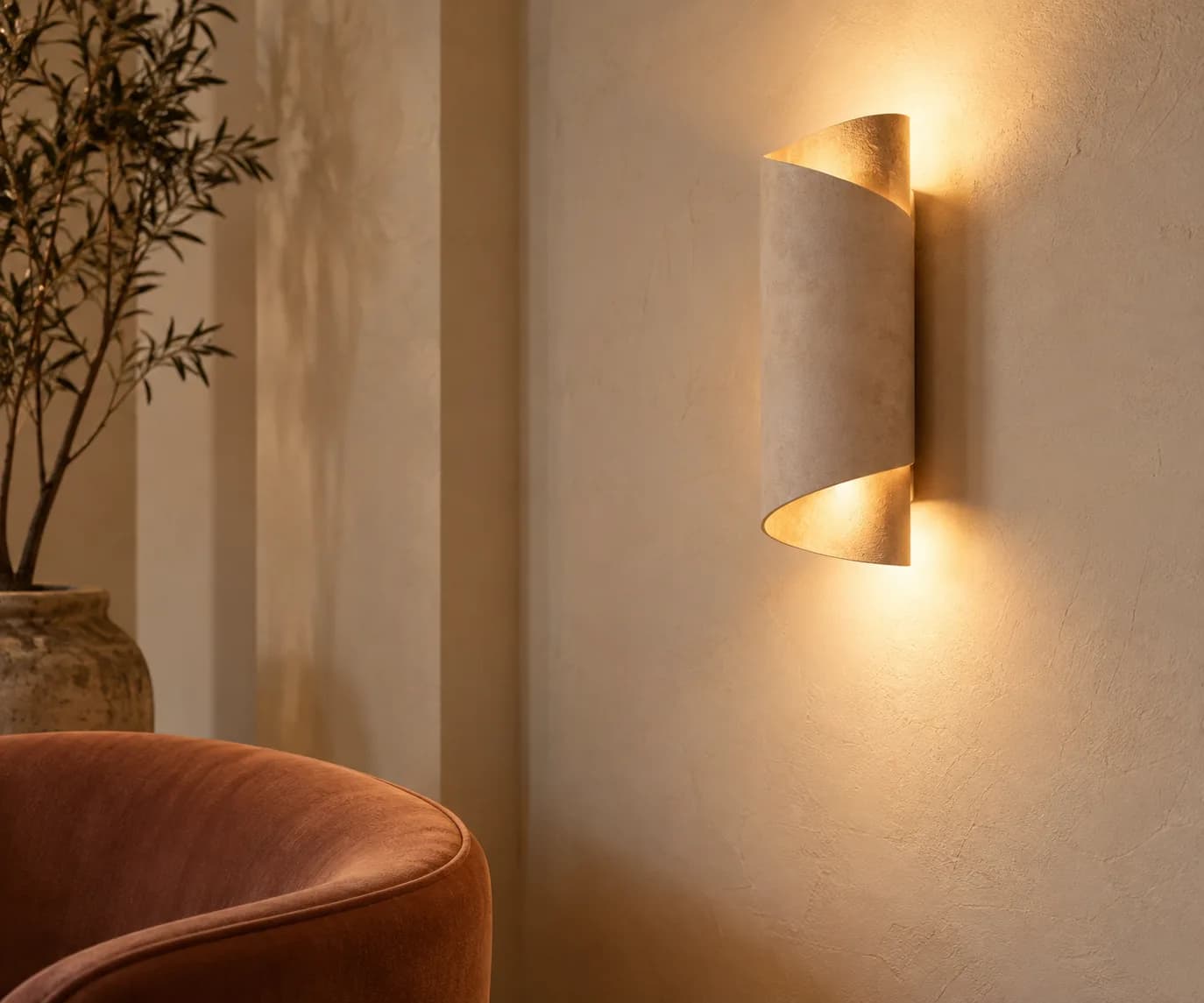
An opaque metal shade makes the position and shape of its opening especially significant. Compare where the light is directed and whether the underside or inner reflector is part of the visual effect. Do not assume two shades of similar external size produce the same distribution.
Check the inner surface as carefully as the outside finish. Record the selected coating, gloss and texture. If a buyer requests a brass appearance, clarify whether that means solid brass, plated metal or a coating, and approve the actual construction in writing.
Fabric Shades Should Be Reviewed as an Assembly
Ask for the fabric type, colour, backing and shade construction. Review the seam, top and bottom edges, inner support and the appearance of the material while illuminated. A swatch viewed on a desk will not reveal every shadow produced by the assembled frame.
For hospitality projects, ask which cleaning method the supplier supports and what documentation is available for the exact material and assembly. A general fabric claim should not be transferred to every finished luminaire without checking its scope.
A Comparison Matrix for Sample Approval
| Check | Glass | Metal | Fabric |
|---|---|---|---|
| Source visibility | Inspect transparency and bright spots | Inspect the opening from seated positions | Inspect light through the shade and frame shadows |
| Finish consistency | Compare treatment, tone and edges | Compare gloss, texture and coating | Compare weave, colour and seams |
| Cleaning | Ask how to remove fingerprints safely | Check the approved method for the exact finish | Check dust removal and whether wet cleaning is permitted |
| Replacement | Confirm dimensions and shade retention | Keep a finish reference | Keep fabric and construction references |
Review the Fixture From the User’s Position
Place a sample where it will be used: beside a bed, above a table or next to a chair. GSA guidance treats glare control and task lighting as part of a coordinated lighting approach. For shade selection, the practical implication is to inspect the view of the source while doing the actual task.
Repeat the check at a lower light level if dimming is required. A comfortable view from standing height does not guarantee a comfortable view when reclining in a guest bed.
Record a Finish Standard, Not Just a Colour Name
Photographs are useful for discussion, but exposure and screen settings can change how surfaces appear. Keep an approved physical sample and identify its finish code, substrate and care method. For a multi-room order, decide how replacement shades will be compared with the original batch.
Send Dwellrose your preferred shade material, room use, cleaning constraints and finish reference. Ask for confirmation of the exact construction and available options before approving the design.
Sources and Further Reading
Send the drawing. We will price the finish.
Include quantities, color temperature, destination port and whether the finish is stock or custom. Final specifications, documentation, minimum quantities and lead times are confirmed during quotation.